What are refugees? We have all heard this word more often now especially due to the outburst of news and reports on the Afghanistan’s Taliban occupation. A refugee is someone who is compelled to escape their home country due to persecution, war, or violence. Refugees are persons who have fled their homes and nations owing to “a well-founded fear of persecution because of his/her race, religion, nationality, membership in a specific social group, or political opinion,” according to the United Nations. For instance, a lot of residents who were resided in Afghanistan are leaving the country in despair and fear of Taliban ruling, Pakistan border is open for their entry. Thus, a high volume of afghans enter Pakistan in hope of a better future and shelter.
Pakistan is not a developed country and haven’t signed the 1951 convention. Despite not being obligated to allow refugees enter and give them shelter, the country continues to do so. According to UN figures, more than 6 million refugees dwell in camps throughout the world. These are temporary shelters that provide urgent refuge and help to those who have been forced to evacuate their homes due to war, persecution, or violence. The camps are not a permanent solution, but they provide refugees with shelter and assistance in meeting their basic requirements, such as food, water, shelter, medical care, and other essential services in times of need.
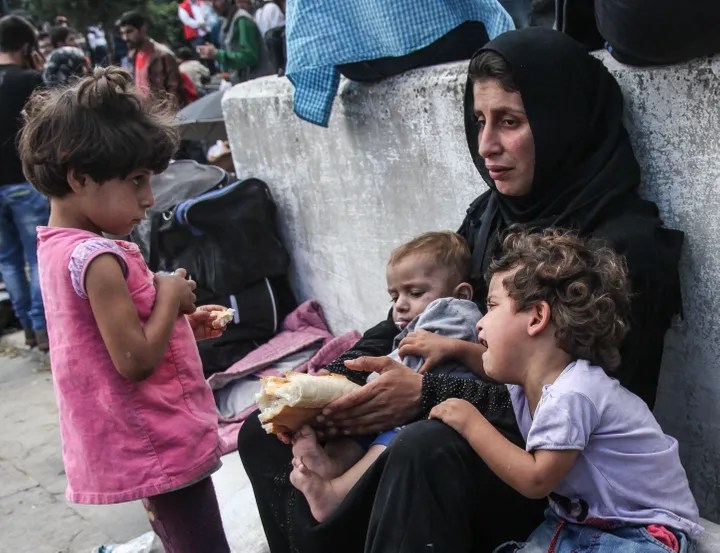
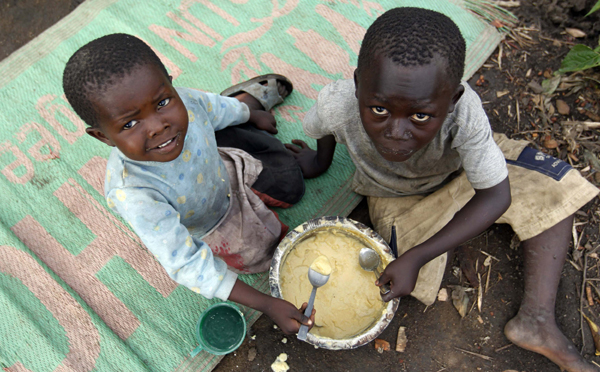
Refugees go through a lot of hardships both mentally and physically, they’re not prisoners but are treated like them. They witness their homes getting destroyed, loved ones getting killed, get injured and lose most of their personal property and belongings. Parents in hope to protect and provide a better promising future go to an extent to leave everything behind and leave either willingly or unwillingly. Some hosts do take them in but don’t treat them properly or as human beings but more of unwanted trouble. For example, Australia, who has signed the convention yet continues to place refugees on an island and call them names like ‘boat people’. Refugees aren’t given a citizenship or treated nicely. They are forced to live on Manus island and can’t enter the “actual Australia”.
Pakistan and Australia not only have a huge difference in their economy status, living standards but also have shown that they are extremely polar to each other regarding their mindset. As a more developed country, Australia should be providing better opportunities, education and citizenship to refugees but Pakistan is doing so or at least trying to regardless of their own financial status. Refugees in Pakistan can not only apply for permanent residency, but also have all the rights as born Pakistanis do. Isn’t this what all countries should do?

There are a lot of success stories of refugees around the world but I would like to talk about my neighbours in Attock, Pakistan who are also refugees from Afghanistan. It’s a bit uneasy for me to label them as refugees since I’ve grown up with them, played with them in the same fields, gone to the same nursery with them. I am a Pathan and speak fluent Pashto, Afghanistan’s official language and Dari (Pashto), it is very similar to what I speak so there was no language barrier between us. I never knew they weren’t originally from Pakistan, I remember my late grandma telling me a few days before my family was migrating to Hong Kong that Samiya( my neighbour) was going back to Afghanistan in order to visit her grandmother. That’s when I asked why her grandmother wasn’t in Pakistan and I was told that they came to Pakistan long ago to settle during Soviet occupation.
They had normal jobs like my family dad, a house much bigger than my own , a family full of laughter and joy just like my own, had similar clothing styles and names like us. I never felt like they were any different than us. After research recently, I found out that their family was lucky enough to build a good life for themselves as refugees. Many refugees only face more difficulties and barriers moving away from their country, no jobs provided, no proper meals and shelter. It shatters my heart just imagining how difficult their lives are. The situation of refugees around the world is alarming, is there something we could do to help?
Solving the crisis of refugees completely is impossible as an individual but we could at least lessen the burden on them. Firstly, please treat them like they’re human beings just like us. Feel their sorrow and troubles, do not compare your difficulties in life to theirs. Another thing we could do is to raise as much awareness as possible, we all have social media accounts and we should use them wisely by sharing, keeping track of the situations of refugees. This could help educate people in different facets of life. We could try our best to donate money and other resources to those in need. If possible, volunteer in refugee camps.
All the images that I searched and used in my visual essay were sad and gloomy giving a sad Impression on refugees. I am not a professional writer and don’t know how to express my feelings and portray them to the targeted audience in a manner that I want to. Pictures and visuals are easier and helped express my feelings about refugees and showcased their situation better.
After researching more about it, I found out that the visual cortex of the human brain handles visuals, which is a less busy and speedier area of the brain that is different from the busier section that analyses words. This is why, rather than words, pictures and videos are easier when expressing views. Words are processed in the short-term memory, whereas images, films, and other visuals are processed in the long-term memory. When consumers read text-based information, only 10% to 20% of it is retained. When you add a visual to textual material, consumers remember 65 percent of it. Therefore, I’m confident that those watching my video would have a core memory of how I portrayed refugees.
In my video, I added as many pictures as possible, googling pictures and sorting out those that I wanted to use was easier than finding images on creative common, but on the other hand, referencing on creative common was much simpler than finding references to google images.
It was really hard to find pictures that I specifically wanted but I found common grounds and got similar pictures to my ideas. I think in the future, when I am presenting about any topic either in class or for work, I would use more visuals rather than lengthy texts and give credits to the right owners of them as we all should.
 All my love 🥰
Leave a comment