Hi there, welcome to my third and last blog series. Previously, we discussed the concept of having robots in the medical field and how robots are represented in movies. This blog will focus on the positive impacts brought along with the help of Artificial Intelligence hospitals.
What exactly is artificial intelligence in healthcare, and what are the advantages and disadvantages of having AI.
There are three significant concerns in the healthcare sector right now: doctor shortages, aging and burnout professionals, and increased demand for chronic care. Globally, there is a 17.4 million deficit of healthcare workers, with an aging workforce compounding the problem. The number of persons over the age of 65 is predicted to increase by 2030, as is the demand for chronic illnesses. Medical professionals in the next generation want just limited working hours, therefore there will be even more shortages. Physician burnout is on the rise as the number of chronic patients grows.
Artificial intelligence is a kind of machine learning that employs artificial intelligence to duplicate the structure and operation of the brain. It is capable of picture identification, natural language processing, translation, and other activities. In this case, a robot that are programmed to have Artificial Intelligence.
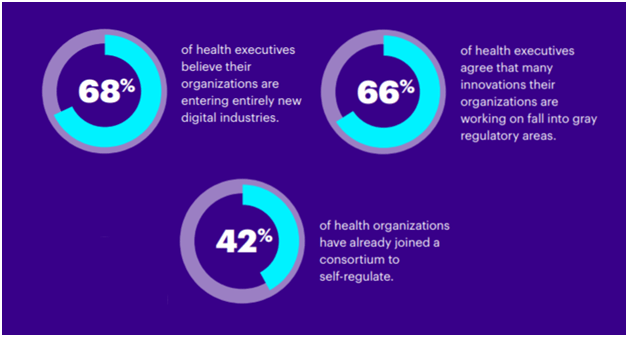
Artificial intelligence (AI) technologies, which are becoming increasingly prevalent in modern business and daily life, are also being steadily applied to healthcare. We are now using Artificial Intelligence (AI) more than ever before, particularly in the health care sector. AI has made it easier to automate drudgery and other mundane operations, as well as manage patients and medical resources. Most jobs previously undertaken by humans can now be handled by the system in a faster and more cost-effective manner. This huge benefit has simplified the actions of stakeholders in the health sector, particularly hospital administrators, doctors, and patients. In the next 5 years, I believe the use of AI would be much more common and widened.
Benefits
Enhanced human abilities and mental health support
Patients can now be assisted by robots in addition to medical personnel. Exoskeleton robots, for example, can assist paralyzed patients in regaining mobility with little or no assistance from caregivers. Similarly, intelligent AI-powered prostheses are outfitted with sensors that act as more reactive limbs than previous models.
Service robots based on machine learning application can conduct everyday duties and keep patients company. There are dedicated companion and conversational robots that do necessary tests and checks – sugar levels, blood pressure, temperature regulation, and even pill intake. Because of their built-in analytic capabilities, robots have been developed to assist depressed patients. With these abilities, they can analyse the patients’ modes and assist them in feeling more cheerful.
Lower operating costs
According to a Business Insider Intelligence analysis, 30 percent of healthcare costs are related with repetitive administrative chores such as record keeping, patient scheduling, insurance verification, invoicing, and so on. With these jobs assigned to AI and robotic process automation, there will be less human mistake caused by manual handling, as well as lower administrative staffing expenses.
New job positions and Decision making
The introduction of machine learning and robotic process automation into the healthcare sector has a significant impact on the traditional employment functions of hospital personnel. While employment losses are unavoidable, there will be a significant demand for workers with specific skill sets and abilities to handle the AI side of healthcare delivery. In the health care workforce, new job responsibilities for jobs such as AI engineers, data scientists, data engineers, data architects, and so on will arise.
Artificial intelligence is already having an impact on healthcare decision-making and treatment planning. To take advantage of the abundant of information AI can now supply, clinicians can select software programs designed using machine learning algorithms for their operations. When selecting software for your organization, it’s worth asking the vendor whether AI and machine learning were utilized to construct their apps and how AI fits into their plans for future software.
Any technology, whether hardware or software, should ideally be future-proof and able to adapt to the most recent advances. The ability of AI algorithms to expand and adapt is symptomatic of the overall direction of the healthcare technology business.
Drawbacks
Technological determination
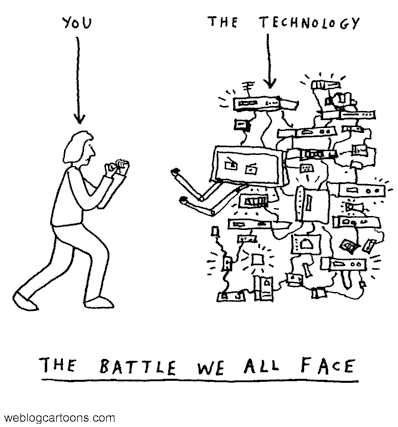
Technological Determination is a thesis that states that a society’s cultural values, social structure, and historical evolution are dictated by its technological advancement. Simply expressed, technological determinism (TD) is the belief that technology has a significant impact on human lives.
Although there’s a lot benefits of having AI, humans would be really dependant on the robots and their technology. Being completely dependant on anything isn’t okay. For instance, we rely completely on our mobile devices, People use their phones while walking, driving, socialising, waiting for a bus, standing in line, and even using the lavatory! Can you keep your phone away for a day? I know I can’t.
Similarly, once AI robots are being used in hospitals, hospital staff would be relying on them more than expected. If one machine broke down, the whole system of hospitals would break down. Could nurses and ER technicians work on their own without help after fully being assisted by AI robots? Most likely, the work would not be as efficient as before.
Data security concerns
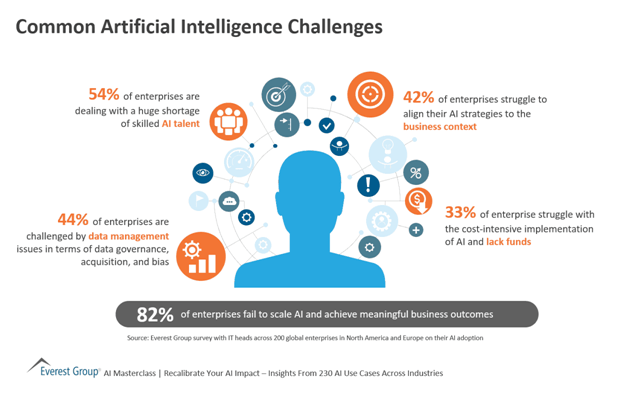
AI in healthcare, without a doubt, necessitates pools of high-quality data to function well; yet, this takes us to the difficulties in obtaining the necessary amount of data. To address this issue, the entire health-care system will need to be digitalized in order to accelerate the development and collecting of high-quality data. Another obvious problem is the need for effective data-sharing policies between healthcare providers, as well as measures to protect highly sensitive medical data from cybercriminals.
Conclusion
The integration of AI technologies with medicine holds enormous promise, and we are only getting started. The influence of AI on global health care promises to be enormous, but there appears to be a lot of ground to cover. The first obvious step will be to solve the key barriers to widespread use of AI in healthcare. And only when that occurs can we expect exponential growth in health AI and significant worldwide improvements.
I believe that the benefits outweigh the drawbacks. What do you guys think?
 All my love 🥰
Leave a comment